| marie-hélène le ny |
|
photographiste |
|
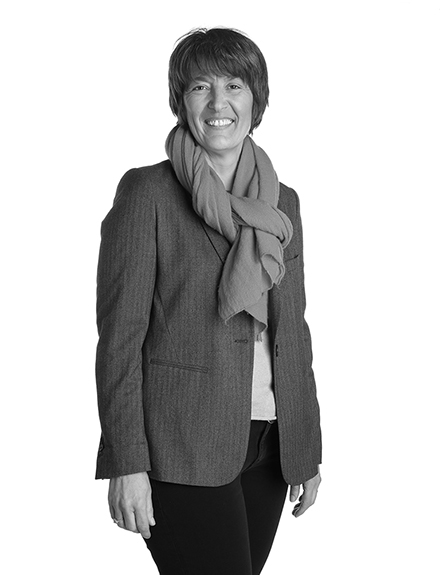
"I remember the expression on my little brother's face when he was born and theatmosphere of the maternity ward, I was five years old. I alwys wanted to become a midwife. At the beginning I worked with couples and women. I liked the atmosphere of the night shift room in a maternity ward. I loved this really unique relationship with women, which is different every time. I loved the solemnity, I loved seeing their eyes sparkle. I had to deal with very painful situations as well. Following the training, I joined the Nantes school, then the Brest school, and became its director seven years ago. It is affiliated with the university and we are currently strengthening the research dimension of this new discipline,i.e., maieutics. One of the lecturers is currently leading a programme research with a student on dysmenorrhea, or period pain - wich leads to school absenteeism. Two hundred and fifty girls are participating in the study in several high schools in Finistère. In the 1950s, childbirth moved from the home to the hospital because of growing medical technology that would revolutionise the work of midwifes in supporting the birth process. At the same time, midwifes saw their skills increase in terms of reproductive healthcare for healthy women - preventive care through gynaecological monitoring, sexuality, contraception, pregnancy, childbirth and after-birth, menopause. Highly trained, midwifes can meet the needs of 60 to 70% of women, and they can independently monitoring their pregnancy and childbirth. They listen to women concerning the transformation of their bodies and minds and support couples learning about parenthood. This a profession that combines urgency, responsabilities and teamwork while providing great satisfaction. I encourage more men to join this profession; they currently make up less than 3% of the work-force." |
|
||
|
Anne
Moal-Patault, |
|||
|
|
|
|